
Home » California » Demand Letters » Personal Injury Dispute
California Personal Injury Demand Letter
Dealing with an injury caused by someone else’s negligence can leave you feeling overwhelmed, frustrated, and unsure of where to turn. You’re not alone in this situation, and California law provides strong protections for injury victims seeking fair compensation. Whether you need a bodily injury demand letter California or guidance on the entire claims process, this guide walks you through everything you need to know about demanding compensation under California’s personal injury statutes, including Cal. Civ. Proc. Code § 335.1 and related civil codes that protect your rights.
Personal Injury Laws in California
We understand that navigating legal statutes while recovering from an injury feels like the last thing you want to do. The good news is that California has some of the most comprehensive personal injury protections in the country, and understanding the basics can significantly strengthen your claim.
Under California Civil Code § 1714, every person is responsible for injuries caused by their lack of ordinary care or skill in managing their property or person. This foundational statute establishes the legal basis for most personal injury claims in the state. When someone’s negligence causes you harm, they have a legal obligation to make you whole.
The statute of limitations is critical to understand. Cal. Civ. Proc. Code § 335.1 gives you two years from the date of injury to file a lawsuit for personal injury claims. For claims against government entities, you must file an administrative claim within six months under the California Tort Claims Act (Gov. Code § 810 et seq.). Missing these deadlines can permanently bar your claim, so acting promptly matters.
California follows a “pure comparative negligence” rule under Li v. Yellow Cab Co. (1975). This means you can still recover damages even if you were partially at fault, though your recovery will be reduced by your percentage of fault. If you were 20% responsible for an accident, you can still recover 80% of your damages.
When you draft a California injury settlement notice, citing these specific statutes demonstrates that you understand your legal rights and are prepared to pursue them fully. Insurance adjusters take claims more seriously when they see proper legal citations.
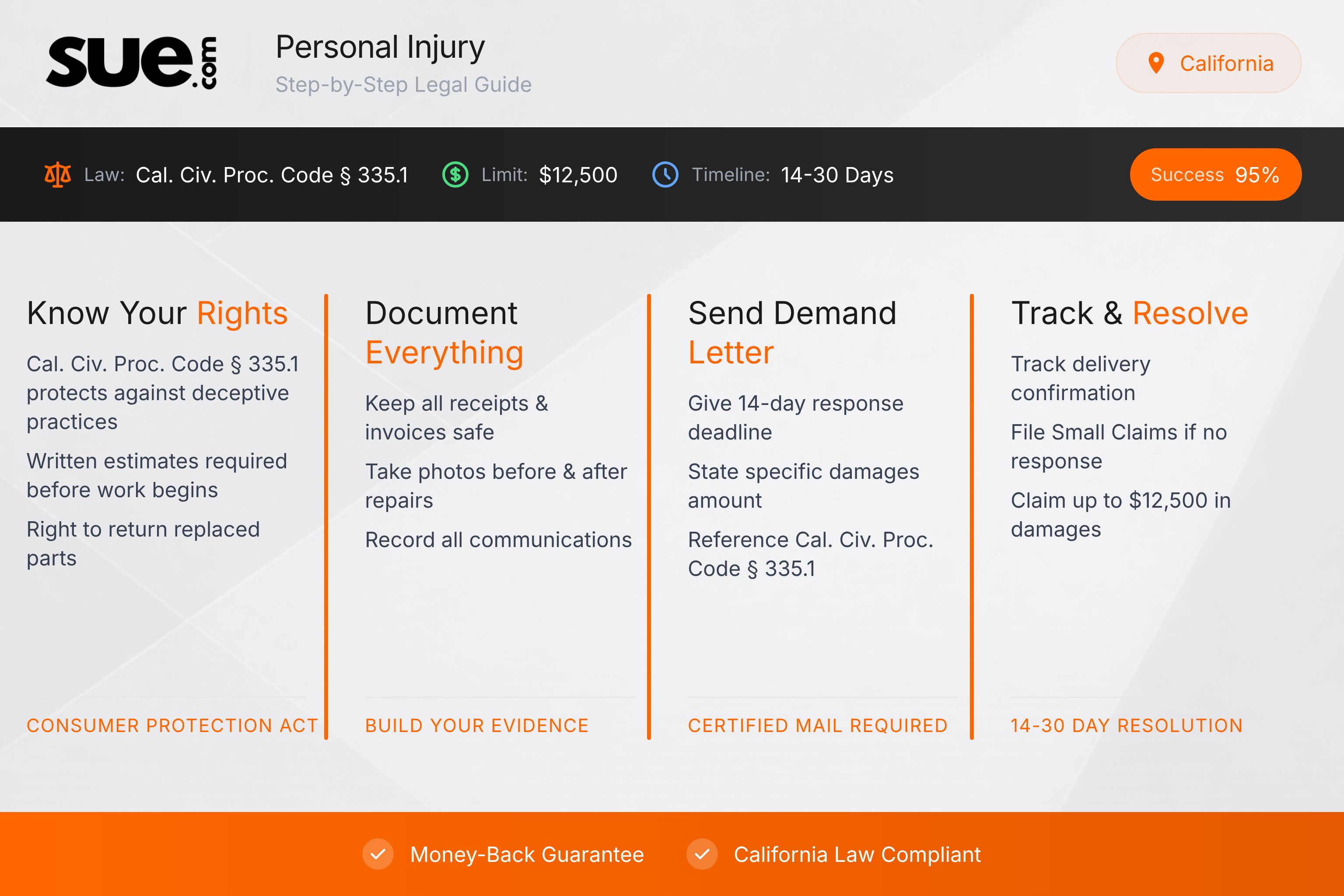
Why Send a Personal Injury Demand Letter in California?
It’s completely understandable to want to skip straight to court and get this resolved, but sending a formal demand letter first is one of the smartest moves you can make. California courts actually expect parties to attempt resolution before filing suit, and a well-crafted demand letter often achieves exactly that.
A demand letter creates an official paper trail documenting your claim, your damages, and your willingness to resolve the matter professionally. This documentation becomes invaluable if your case does proceed to litigation. Insurance companies and defendants recognize that someone who takes the time to send a proper demand letter is serious about pursuing their claim.
The resolution statistics are encouraging. Studies consistently show that 70-80% of personal injury claims settle before trial, and many settle after receiving a strong demand letter. By clearly stating your damages, citing California law, and setting a reasonable deadline, you give the other party a clear path to resolution without the expense and uncertainty of court.
Your demand letter also preserves evidence of your attempt to resolve the dispute amicably. California judges look favorably on plaintiffs who made good-faith efforts to settle. A Legal demand for California auto lease dispute or any other formal notice shows you’re acting reasonably while protecting your interests.
How to Write a Personal Injury Demand Letter in California
We know that writing a legal document while dealing with injury-related stress can feel daunting. Breaking the process into manageable steps makes it much more approachable, and thousands of Californians successfully do this every year.
Step 1: Gather Your Documentation Start by collecting everything related to your injury and expenses. This includes medical records, bills, receipts for out-of-pocket expenses, photos of injuries, police reports, witness statements, and documentation of lost wages. The more thorough your documentation, the stronger your demand.
Step 2: Research Applicable California Law Identify which statutes support your claim. For most personal injury cases, Cal. Civ. Code § 1714 and Cal. Civ. Proc. Code § 335.1 are foundational. If your case involves specific circumstances like premises liability or product defects, additional statutes may apply.
Step 3: Calculate Your Total Damages Add up all economic damages (medical bills, lost wages, property damage) and consider non-economic damages (pain and suffering, emotional distress). California allows recovery for both categories. Be specific and document every dollar you’re claiming.
Step 4: Draft Your Letter with Proper Citations Your letter should include a clear statement of facts, specific California statutes violated, itemized damages with supporting documentation, and a firm but reasonable deadline for response (typically 15-30 days). A Demand letter for California fraud claims or any injury-related demand follows this same professional structure.
Step 5: Send via Certified Mail Always send your demand letter via certified mail with return receipt requested. This creates proof of delivery that courts recognize. Keep copies of everything for your records.
How Sue.com Helps with California Personal Injury Demand Letters
You’ve been through enough already, and you shouldn’t have to become a legal expert just to get fair compensation. That’s exactly why Sue.com’s California legal aid tools exist, to give you professional-quality legal documents without the stress of figuring it out alone.
For $199, our attorneys draft your personal injury demand letter specifically for California law. Each letter cites the relevant statutes, presents your damages professionally, and is sent via certified mail on your behalf. You don’t need to worry about proper formatting, legal language, or mailing logistics.
Our attorneys understand California personal injury law inside and out. They know which statutes carry weight with insurance adjusters and how to present your claim for maximum impact. The letter is ghostwritten by a licensed attorney, giving your demand the credibility it deserves.
If your demand letter doesn’t resolve the matter, we’re here to help you take the next step. You can file a Demand letter for personal injury California claim in the Superior Court Small Claims Division for amounts up to $12,500 without needing an attorney. Many of our clients find that the professional demand letter resolves their dispute before court becomes necessary.
Step 1
Answer a Few Simple Questions
Tell us what happened — who owes you, how much, and why. Our system guides you step-by-step with no legal jargon.
Step 2
We Draft Your California Demand Letter
Step 3
We Mail It for You

Ready to Send Your California Demand Letter?
Need Assistance?
Need help?
Find answers
Got questions about how Sue.com works, what’s included in each package, or what happens after your letter is sent? We’ve got you covered — quick, clear answers to help you move forward with confidence.
1. Is a demand letter required before suing for personal injury in California?
While California doesn’t legally require a demand letter before filing most personal injury lawsuits, it’s strongly recommended and often expected by courts. For claims against government entities, however, you must file an administrative claim under the California Tort Claims Act before suing, which serves a similar purpose.
2. What California laws should I cite in my personal injury demand letter?
The most important statutes to cite are Cal. Civ. Code § 1714 (general negligence liability), Cal. Civ. Proc. Code § 335.1 (statute of limitations), and any specific statutes related to your injury type. For vehicle accidents, Cal. Veh. Code sections may apply. For premises liability, Cal. Civ. Code § 1714 combined with property owner duty standards is essential.
3. How long should I give them to respond?
A response deadline of 15 to 30 days is standard and considered reasonable under California practice. This gives the recipient enough time to review your claim and consult with their insurance company while maintaining urgency. Courts generally view this timeframe as fair to both parties.
4. What if they ignore my personal injury demand letter?
If your demand is ignored, you can file a lawsuit in California Superior Court. For claims up to $12,500, the Small Claims Division handles cases without attorneys. For larger amounts, you’d file in civil court. Your documented demand letter becomes evidence of your good-faith attempt to resolve the matter.
5. How much can I claim for personal injury in California?
California allows recovery for economic damages (medical bills, lost wages, property damage) and non-economic damages (pain and suffering, emotional distress). There’s no cap on most personal injury damages, though medical malpractice non-economic damages are capped at $350,000 under MICRA. Small claims court limits recovery to $12,500 per claim.